Avoid common removal mistakes when moving to Canbury Kingston
Posted on 07/07/2026
Avoid Common Removal Mistakes When Moving to Canbury Kingston
Moving into Canbury Kingston should feel like a fresh start, not a week of avoidable stress. Yet that's exactly what happens when people underestimate access issues, leave packing too late, or book the wrong kind of removal help for the job. If you want to avoid common removal mistakes when moving to Canbury Kingston, the key is simple: plan like the move is bigger than it looks, because in a built-up Kingston neighbourhood, it often is. Narrow streets, awkward parking, stairs, short notice changes, and fragile furniture all have a habit of showing up at the worst possible time.
This guide breaks down the mistakes people make most often, why they matter, and what to do instead. You'll also find a practical checklist, a comparison table, and a few local realities that are easy to miss until the van is already outside and someone is carrying a sofa sideways. Not ideal, honestly.
Why Avoid Common Removal Mistakes When Moving to Canbury Kingston Matters
Canbury Kingston is one of those areas where the move itself can be deceptively simple on paper. The postcode might look manageable, the distance may be short, and you may even think, "It's only a few streets away." Then the day arrives and you realise the lift is smaller than expected, the parking space is already taken, and the wardrobe you swore would fit through the door absolutely will not. That's the sort of thing that turns a tidy schedule into a long afternoon.
Removing household items is not just about lifting and driving. It involves timing, access, packing quality, vehicle size, route planning, and sensible communication with everyone involved. In areas like Canbury Kingston, small mistakes can become expensive ones quickly. A missed parking arrangement can delay loading. Poor labelling can leave boxes in the wrong room. Underestimating storage needs can force a rushed decision. And if you are moving a flat, student property, or larger family home, the pressure only rises.
There's also the emotional side. Moving days are already full of noise, decisions, and little bursts of panic. If the basics are not sorted, every task feels heavier. So while this topic sounds practical on the surface, it's really about protecting your time, your belongings, and your sanity. No one needs extra chaos on moving day. Let's be fair, you already have enough boxes.
If you're comparing support options, it can help to look at the wider picture first through a services overview and then narrow down what suits your property type and timing.
How Avoid Common Removal Mistakes When Moving to Canbury Kingston Works
The best way to avoid moving mistakes is to treat the removal as a process, not a single event. A good move usually happens in stages: preparation, packing, access planning, loading, transport, unloading, and settling in. Problems tend to appear when one of those stages is rushed or ignored.
In practice, that means starting with the property itself. Is it a flat with stairs? A house with a long path to the front door? A road that can be awkward for vans at certain times? If you do not answer those questions early, the rest of the job becomes guesswork. The same goes for furniture. Heavy pieces, antiques, pianos, awkward shelving, and large mirrors all need more care than a standard box. Not every item should be treated the same way, and that's where many people slip up.
Then comes the packing. Good packing is not about stuffing everything into boxes as quickly as possible. It's about balance, protection, and clarity. One overfilled box can be harder to carry than two sensible ones. One unlabeled box can waste ten minutes of everyone's time. Multiply that across a whole house and you begin to see why people who rush packing often regret it later.
Finally, a smooth move works because there is a realistic plan for the day. That includes arrival times, who is meeting the crew, where the van can park, which items need to go first, and whether any items are going into temporary storage. If your move involves urgent timing, there are also sensible fallback options such as same-day removals in Kingston when plans change at short notice.
Key Benefits and Practical Advantages
When a move is planned properly, the benefits show up everywhere. You spend less money on avoidable delays. You reduce the chance of damage. You feel calmer on the day. And, importantly, you make it easier for whoever is helping you to do their job well.
Here are the most practical gains:
- Fewer delays: parking, access, and routing issues are handled before moving day.
- Less breakage: proper packing and item separation reduce damage to furniture and fragile items.
- Lower stress: everyone knows what goes where, so the day feels organised rather than frantic.
- Better budget control: fewer surprises usually means fewer last-minute costs.
- Cleaner handover: if you're leaving a rented property, you can focus on final checks instead of digging through boxes.
There's also a practical local advantage in Canbury Kingston: once you know the area's access patterns and property types, you can choose the right moving support much more accurately. That matters if you need a van that can handle larger loads, or if you're moving in stages and need storage. If that sounds like your situation, browsing removal services in Kingston can help you match the move to the job rather than forcing the job to fit the move.
Expert summary: the fewer assumptions you make about a move, the fewer things go wrong. Most "bad removals" are really planning problems that were left until too late.
Who This Is For and When It Makes Sense
This guidance is useful for almost anyone moving into or within Canbury Kingston, but it's especially relevant if your move has any of the following features:
- You're moving from a flat with stairs or limited lift access.
- You have bulky furniture or fragile household items.
- You're trying to keep costs under control.
- You're moving on a tight deadline.
- You've got parking or loading concerns outside the property.
- You're balancing work, childcare, or study alongside the move.
- You need temporary storage because completion times do not line up neatly.
Students often underestimate the number of trips, the weight of books, and the sheer awkwardness of moving in and out of shared accommodation. Families often underestimate volume. Homeowners often underestimate access. Business owners tend to underestimate downtime. Different move, same lesson: if you don't map the realities early, the day can get messy.
For example, if you're moving into a smaller space, a flat-focused approach may be more sensible than a generic one. In that case, flat removals in Kingston upon Thames can be a more appropriate fit than a larger, one-size-fits-all setup.
Step-by-Step Guidance
1. Walk through the property before you book
Check stairs, entrances, door widths, corners, lift sizes, and parking access. If you can, stand where the van would likely stop and imagine carrying a sofa or washing machine from there. That simple mental exercise catches a lot of problems before they happen. It's not glamorous, but it works.
2. Make a room-by-room inventory
Write down what's going and what's staying. Note the awkward items, the fragile pieces, and anything especially valuable. This helps with packing order, vehicle size, and insurance conversations. A vague "house contents" list is rarely enough.
3. Choose the right packing materials
Use sturdy boxes, strong tape, paper or wraps for fragile items, and protective covers for furniture. If you only half-pack things, they tend to shift in transit. People sometimes think they can save time by using old supermarket boxes. Sometimes that works. Often it doesn't. A collapse halfway up the stairs is a memorable way to learn that lesson.
4. Label everything clearly
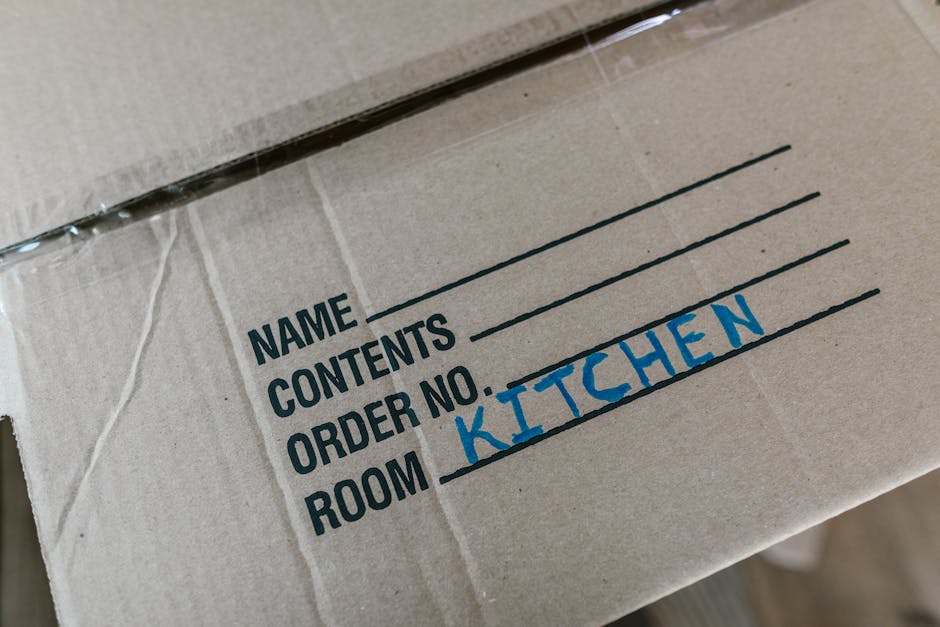
Mark each box with the room, a brief contents note, and whether it needs careful handling. Keep labels visible on more than one side. This speeds up unloading and stops the "where did the kettle go?" situation later in the day.
5. Book the correct vehicle and crew
The size of your move should drive the vehicle choice, not the other way around. A smaller load may only need a flexible man with van in Kingston upon Thames arrangement, while larger homes may benefit from something more structured. If the vehicle is too small, you lose time. If it's too large for the access point, you may lose even more time.
6. Confirm timing and access details in writing
Keep the arrival time, collection address, drop-off address, and any access notes together. If there are stairs, narrow hallways, or parking restrictions, say so plainly. Clear communication is one of the easiest ways to avoid the classic moving-day confusion that starts with "I thought you knew."
7. Prepare a first-night box
Put essentials aside: kettle, mugs, phone charger, toiletries, medication, snacks, documents, and basic bedding. This is one of those small things that makes the first evening feel human again.
8. Allow breathing room for the unexpected
Even tidy moves get delayed. Traffic, weather, lift access, or a last-minute snag can all change the rhythm. A sensible buffer means the move feels manageable instead of brittle.
Expert Tips for Better Results
Here's where the little details make a big difference. Not dramatic. Just practical.
- Pack the heavy items in smaller boxes. Books, tools, and crockery get heavy fast. Smaller boxes save backs and reduce dropping risk.
- Photograph cable setups before unplugging. It takes seconds and prevents later guesswork.
- Use a separate bag for valuables and documents. Keep passports, keys, contracts, and cash with you.
- Protect corners and glass early. Waiting until loading starts is usually too late.
- Think about unloading order. Put beds, essentials, and kitchen basics first if you want the first night to go smoothly.
- Ask about insurance and safety practices. Reputable providers should be clear about handling care and cover. If you want to understand the basics, the page on insurance and safety is worth a look.
To be fair, one of the smartest habits is simply slowing down at the packing stage. Moving quickly feels efficient, but rushed boxes are the first thing to cause grief. A good removal day often starts the night before, when most people would rather be doing anything else.

Common Mistakes to Avoid
This is the heart of it. If you avoid these, you're already ahead of a lot of people.
Underestimating access
Many moves go wrong because the property is treated like a standard easy-load job. In Canbury Kingston, that can be a mistake. Stairs, parking limitations, and tight turning space can slow everything down.
Leaving packing until the last minute
Last-minute packing causes poor labelling, weaker protection, and forgotten essentials. You may save a few hours in the short term, then lose them all on moving day.
Choosing the wrong removal option
A small load does not need the same setup as a large household move. Equally, squeezing a full house into a light vehicle plan is asking for trouble. Matching the service to the scale of the move matters more than people realise. For a larger property, house removals in Kingston upon Thames can be a better fit than a bare-minimum arrangement.
Forgetting parking and loading details
Even if the van can physically reach the area, you still need a realistic place to stop. In some cases, reading up on parking suspensions for big moves in Kingston can help you avoid a headache before it starts.
Ignoring specialist items
Pianos, oversized furniture, and delicate items deserve specific handling. A piano, for instance, is not just "another heavy object." It requires patience, the right equipment, and people who know how to move it safely. That is why piano removals in Kingston upon Thames exist as their own specialist service.
Not separating important paperwork and essentials
It sounds obvious. Then moving day arrives and the tenancy agreement, chargers, or kettle somehow end up in a random box. Keep the important stuff with you.
Assuming storage is unnecessary
Sometimes your move and your completion timing simply don't line up. That's normal. Forcing everything into one day can create stress that a bit of storage would have solved neatly.
Tools, Resources and Recommendations
You do not need a complicated toolkit, but a few simple items make a massive difference:
- strong moving boxes
- packing tape and tape dispenser
- marker pens for clear labels
- bubble wrap or paper for breakables
- blankets or furniture covers
- strap or trolley for heavier items
- bin bags for soft goods and quick clear-outs
It also helps to use the website pages that match your move type instead of guessing. If you need help understanding what kind of support fits your situation, removals in Kingston upon Thames is a useful starting point, while packing and boxes in Kingston upon Thames is handy if you're still getting the materials together.
And if you want a broader sense of the local area while planning the move, a practical local read like Kingston life guide and local recommendations can give you a bit of context before you settle in. It's not moving advice as such, but sometimes knowing the neighbourhood makes the whole thing feel less abstract.
Law, Compliance, Standards, or Best Practice
For most household moves, the most relevant issue is not legal complexity but good practice. That said, there are a few things worth keeping in mind. If you are moving in or out of a rented property, you may need to follow tenancy obligations around notice, cleaning, and item removal. If you're using a removal company, make sure the service terms are clear, especially around timing, access, and liability. If there are high-value or fragile items, ask how they are handled and whether any limitations apply.
Health and safety is another serious consideration. Heavy lifting, awkward staircases, and poor visibility can all lead to injury. That is why a professional approach matters, even for what looks like a small job. Reputable movers should work with sensible handling methods and clear communication. If you want a plain-English view of the standards behind that approach, the pages on health and safety policy and terms and conditions help set expectations.
One more thing: if you're disposing of unwanted items, think about reuse and recycling rather than dumping everything at the last minute. A move is often the cleanest time to make that decision properly. The recycling and sustainability page is a sensible reminder that removing items responsibly is part of a good move, not an optional extra.
Options, Methods, or Comparison Table
Not every move needs the same method. Here's a simple comparison to help you decide what fits best.
| Method | Best for | Strengths | Watch-outs |
|---|---|---|---|
| DIY move | Very small loads, short distance, low-risk items | Can be cheap; full control | Time-consuming, tiring, more risk of damage |
| Man and van | Flats, student moves, smaller homes, flexible loading | Good for local moves; adaptable; often efficient | Needs accurate load estimate and access details |
| Full removal service | Larger homes, complex access, fragile or bulky furniture | More structured; better for bigger jobs | Usually more planning needed upfront |
| Storage plus removals | Moves with timing gaps, downsizing, renovations | Flexible and reduces pressure on move day | Needs extra coordination and budgeting |
If you're still weighing up your options, comparing a man and van service in Kingston upon Thames with broader removal companies in Kingston upon Thames is a good way to narrow down what you truly need. The right choice is not the fanciest one. It's the one that fits your actual day.
Case Study or Real-World Example
Picture a couple moving into a first-floor flat in Canbury Kingston on a damp Friday morning. Nothing dramatic. Just a couple of bedrooms, a sofa, a dining table, some books, and the usual random drawer of cables nobody wants to own in public.
At first, they think they can handle the move themselves. Then they notice the stairwell turns sharply at the top, the parking space near the entrance is already occupied, and the dining table is too awkward to carry safely without help. So they pause, recheck the load, and switch to a more suitable moving setup. That one decision saves them from forcing a risky lift through a tight corner and probably avoids a scratched wall or two.
What made the difference? They stopped assuming the move was straightforward. They measured the access properly, separated fragile items, and made a practical plan for the van arrival. They also kept essentials close, so the first night in the new place felt calm instead of chaotic. The move still took effort, of course. But it stayed manageable, which is really what you want.
That's the quiet truth with removals. Small adjustments at the start usually prevent the loud problems later.
Practical Checklist
Use this list in the days before your move:
- Confirm your moving date and arrival window.
- Check access at both addresses, including stairs and parking.
- Measure bulky furniture and doorways if needed.
- Book the right vehicle and manpower for the load.
- Buy enough boxes, tape, and protective materials.
- Pack valuables, documents, and essentials separately.
- Label boxes by room and contents.
- Protect fragile items and corners properly.
- Prepare a first-night bag.
- Check whether storage might be needed.
- Review insurance, safety, and service terms.
- Plan disposal or recycling for unwanted items.
If you want a final sanity check before the day itself, pricing and quotes can help you sense whether your plans match the scale of the job. That is often where people spot a mismatch before it becomes a problem.
Conclusion
To avoid common removal mistakes when moving to Canbury Kingston, you do not need a perfect plan. You need a sensible one. Measure the access, pack properly, choose the right help, and stay realistic about time and effort. That alone will save you a lot of stress.
Most move-day disasters are not disasters at all, just avoidable oversights. And that is good news, because it means you have more control than it may seem. Once the obvious risks are handled, the whole process becomes calmer, smoother, and much easier to manage. Truth be told, that calm feeling is worth quite a lot on moving day.
If you are planning a move soon, take one more pass through your checklist, make the awkward calls now rather than later, and keep the day simple. You'll be glad you did.
Get a free quote today and see how much you can save.