Green Kingston removals donating recycling tips for furniture
Posted on 30/07/2026
If you are planning a move in Kingston and staring at a sofa, wardrobe, or dining table that probably should not come with you, you are in the right place. Green Kingston removals donating recycling tips for furniture is really about making the move lighter, cleaner, and far less wasteful. It is not just about throwing things away. It is about deciding what can be reused, what can be donated, and what should be recycled or responsibly removed.
That sounds simple enough, but in real life furniture decisions get messy quickly. One chair is "fine for now", the bookcase is too awkward to carry, and the bed frame has one dodgy leg that somehow keeps surviving. This guide breaks the whole process down clearly, with practical steps you can actually use before move day. It also shows where a local removals team can help keep the whole thing organised, from furniture removals in Kingston upon Thames to broader support through recycling and sustainability.
You will find donation ideas, recycling checks, common mistakes, compliance basics, and a checklist to keep things moving. A bit of planning goes a long way. Truth be told, it usually saves money too.

Why Green Kingston removals donating recycling tips for furniture Matters
Furniture is often the largest part of a home move, physically and mentally. It takes up space in the van, it takes time to move, and it tends to carry more emotional weight than we expect. The old coffee table from your first flat, the dining set that has seen a few too many flat-pack battles, the office desk that came through three job changes - these pieces are not just objects.
That is exactly why a greener approach matters. If you treat every unwanted item as rubbish, you miss easy wins: usable items can help another household, repairable pieces can be fixed, and recyclable materials can be separated more cleanly. The result is less landfill waste, a tidier move, and often a smaller removal job overall.
There is also a practical side. Fewer items mean less loading time, fewer lifting headaches, and less chance of damage in transit. That can be especially useful for flat removals in Kingston upon Thames, where stairs, narrow hallways, and parking constraints already make things lively enough. Add a bulky wardrobe no one really wants anymore, and the job becomes harder than it needs to be.
Let's face it: most of us keep furniture longer than we should because deciding what to do with it feels like another task on an already packed moving list. A greener method gives structure to that decision. Keep, donate, recycle, dispose. Four simple lanes. Much easier to manage.
How Green Kingston removals donating recycling tips for furniture Works
The process works best when you sort furniture before the move rather than after it has already been carried downstairs. Once you have a clear plan, each item gets assessed for condition, usefulness, and handling requirements. You do not need a perfect system. You just need one that is consistent enough to avoid last-minute confusion.
In practice, most furniture falls into one of four groups:
- Keep and move - items you still use and want in the next property.
- Donate - good-quality items that are clean, safe, and usable by someone else.
- Recycle - broken or end-of-life items where material recovery is the sensible route.
- Dispose responsibly - items that are beyond reuse or recycling, handled through proper waste channels.
A local removals team can support this by separating items during loading, advising which pieces are easier to remove intact, and helping you decide whether dismantling will make the job smoother. That is one reason many people compare man and van Kingston upon Thames options when they are clearing out a property rather than simply shifting everything as-is.
The green part is not only about where the furniture ends up. It also includes packaging choices, route efficiency, and avoiding unnecessary second trips. A calmer, more organised removal tends to be the greener one. Slightly less glamorous, maybe. Much more effective, definitely.
Key Benefits and Practical Advantages
A well-planned donation-and-recycling approach gives you more than just a tidy conscience. It makes the move smoother in ways people notice immediately.
- Less to carry: fewer large items means faster loading and unloading.
- Lower disposal pressure: you are less likely to end up making rushed decisions on move day.
- Better use of space: removing only what you need frees room in the van for essentials.
- Potential cost savings: a lighter job can sometimes mean less labour and fewer vehicle movements.
- Cleaner handover: useful for landlords, buyers, or office managers expecting a cleared space.
- More responsible waste handling: old furniture is often bulky, mixed-material, and awkward to discard properly.
There is also a quieter benefit: less stress. Once you know the dining chair set is going to charity, the cracked side table is being recycled, and the old sofa is not coming with you, the rest of the move suddenly feels more manageable. A bit like clearing fog from a window.
For people balancing packing with work, family, or a tight deadline, that matters. If the move is urgent, it may be worth exploring same-day removals in Kingston upon Thames alongside a quick furniture sort. When time is short, clarity is gold.
Who This Is For and When It Makes Sense
This approach is useful for almost anyone moving within or out of Kingston, but it is especially handy in a few common scenarios.
Home movers with bulky furniture
If you are leaving a house full of mixed-age furniture, donation and recycling can stop the move from becoming a giant game of "should we keep this?" That question is exhausting by the third box. Better to decide early.
Flat tenants and leaseholders
People moving from flats often need to clear items quickly, especially where access is tight or storage is limited. In those cases, choosing only the furniture worth keeping makes the removal much simpler. It can also help when comparing house removals in Kingston upon Thames with smaller-scale moves.
Students and short-term renters
Students often inherit furniture, buy second-hand, and move again before long. Green sorting is ideal here because it encourages keeping what is truly useful and passing on the rest. That is a very common clear-out pattern around term-time moves.
Office and shop relocations
Office furniture has a habit of multiplying quietly. Chairs, desks, filing cabinets, reception units - suddenly the room looks like a storage unit. If you are relocating a workspace, the greener route can help reduce clutter before move day. For larger commercial clearances, office removals in Kingston upon Thames can be a sensible part of the plan.
Anyone trying to reduce waste
Sometimes there is no dramatic reason. You just want to move responsibly and not send perfectly usable furniture to landfill. That is reason enough, honestly.
Step-by-Step Guidance
Here is a practical way to handle furniture before a move without making it your full-time job.
- Walk room by room. Start with the largest spaces first. Living room, bedroom, dining area, office. Make a quick list of every sizeable item.
- Tag each item. Use four labels: keep, donate, recycle, dispose. No sixth category called "maybe later". That one causes trouble.
- Check condition honestly. Ask: would someone else be able to use this safely without repairs? If not, donation is probably out.
- Measure awkward pieces. Large wardrobes, beds, and shelving units may need dismantling before removal. Measure doors and stair turns too.
- Separate reusable parts. If a table has usable legs but a damaged top, or a chair has decent wood but worn upholstery, note that before deciding the final route.
- Book the right removal support. If you are moving a mix of keepers and clear-outs, make sure the service you choose can handle furniture movement safely and efficiently. Some people pair this with removal services in Kingston upon Thames so the whole process feels joined-up.
- Pack donation items separately. Keep them clean, labelled, and ready to load without mixing them into general moving boxes.
- Confirm disposal routes. If anything cannot be donated or recycled through your chosen route, make sure it goes through lawful waste handling.
One small but useful habit: take photos of expensive or awkward furniture before the move. Not because you expect drama, but because it helps with decisions, condition checks, and insurance records if something gets scratched. And yes, scratches always seem to happen to the nicest item.
Expert Tips for Better Results
Most furniture clear-outs go better when you think ahead by a day or two. Here are the practical things that usually make the biggest difference.
1. Sort before the van arrives
Do not leave donation decisions until the last ten minutes. By then, people start keeping things they do not need simply because it feels easier. Pre-sorting creates momentum.
2. Use the "one more year" test carefully
If you have not repaired, used, or genuinely loved an item in over a year, be sceptical. There are exceptions, of course. Seasonal or specialist furniture is different. But for everyday pieces, the rule is often revealing.
3. Prioritise safety over sentiment
If a sofa frame is unstable or a shelf wobbles badly, do not donate it just because it looks presentable from one angle. A donation should be safe and usable. That part matters.
4. Dismantle only when it helps
Some furniture is easier to move in sections, especially through narrow staircases or tight hallways. Other pieces are better left intact because dismantling weakens them. Use judgement, not force.
5. Combine furniture decisions with packing strategy
It makes sense to review furniture at the same time as boxes, cushions, and smaller household items. If you are also organising packing and boxes in Kingston upon Thames, you can cut down on duplicate handling and avoid overpacking the move.
In our experience, the best results come from a steady, boring kind of organisation. Not exciting. Very effective.
Common Mistakes to Avoid
People often make the same handful of mistakes when they try to handle furniture sustainably during a move. None are disastrous on their own, but together they can create a fairly annoying day.
- Leaving sorting too late. This leads to rushed decisions and unnecessary waste.
- Assuming all old furniture is donation-ready. Age alone is not the issue; condition and safety are.
- Not checking access routes. A perfectly good wardrobe can become a problem if it will not fit through the stairwell.
- Mixing donation and disposal items. Once everything is piled together, it is easy to lose track.
- Forgetting about clean-up. Small screws, brackets, and packaging can be left behind if you do not keep a tidy process.
- Choosing the wrong removal vehicle size. Too small, and you risk extra trips. Too large, and you may pay for unused capacity.
Another common slip: people keep furniture "just in case" and then end up storing it indefinitely. If that sounds familiar, you are not alone. Everyone has one chair like that. Usually a fairly ugly chair, too.
Tools, Resources and Recommendations
You do not need fancy equipment to manage furniture donation and recycling well. A few simple tools are enough.
- Masking tape or labels: for marking keep, donate, recycle, dispose.
- Measuring tape: essential for beds, wardrobes, tables, and shelf units.
- Basic screwdriver or hex keys: useful for dismantling flat-pack pieces.
- Furniture blankets: helpful for protecting items that are going to be moved or donated intact.
- Large bin bags or tubs: for loose fittings, brackets, bolts, and screws.
- Notebook or phone notes: handy for item lists and decisions.
For service support, it helps to browse a company's wider approach to responsible moving. A page like services overview can help you understand the broader picture, while recycling and sustainability explains the green side more directly. If you want to understand the business behind the work, about us is useful too.
There is also value in reading practical move-planning guidance. If the furniture clear-out is happening alongside a bigger life change, you may also find local Kingston recommendations helpful for settling in after the move. Small things matter when a whole day is already full.
Law, Compliance, Standards, or Best Practice
When furniture is no longer wanted, it still needs to be handled responsibly. In the UK, that usually means thinking carefully about waste transfer, duty of care, and whether an item is actually suitable for reuse. You do not need to become a legal expert, but it is sensible to avoid shortcuts.
Best practice is straightforward: donate only items that are clean, safe, and in reusable condition; recycle items through appropriate channels where possible; and make sure anything that is neither reusable nor recyclable goes to a lawful disposal route. If a service provider is moving waste on your behalf, it should be clear how that waste is being handled. That kind of transparency is a good sign.
For your own peace of mind, keep a basic record of what was donated, recycled, or disposed of. Nothing formal or dramatic. Just a simple note on your phone or a paper list. If there is ever a question later, you will be glad you did.
It is also smart to review insurance and handling expectations if you have valuable or fragile furniture. You can read more about that through insurance and safety and, if you want to understand terms around booking or service scope, terms and conditions. For broader policy information, the site's privacy policy and health and safety policy are also useful reading.
Options, Methods, or Comparison Table
Different furniture items need different handling. This quick comparison can help you choose the right route without second-guessing yourself all afternoon.
| Option | Best for | Pros | Watch out for |
|---|---|---|---|
| Donate | Good-condition furniture with life left in it | Supports reuse, reduces waste, often quick | Item must be clean, safe, and acceptable to the receiving organisation |
| Recycle | Broken or worn-out furniture with recoverable materials | Better than landfill, useful for metal, wood, or mixed components | Some pieces need dismantling first |
| Keep and move | Items you still need and use regularly | Simple, no replacement cost | Can increase load size if you are not selective |
| Dispose responsibly | Furniture beyond repair or reuse | Clears unsafe or unusable items | Must be done through lawful, appropriate channels |
If you are torn between keeping and donating something, ask one simple question: would I buy this again today? If the answer is no, and it is not a specialist item, that usually tells you enough. Not always, but often.
Case Study or Real-World Example
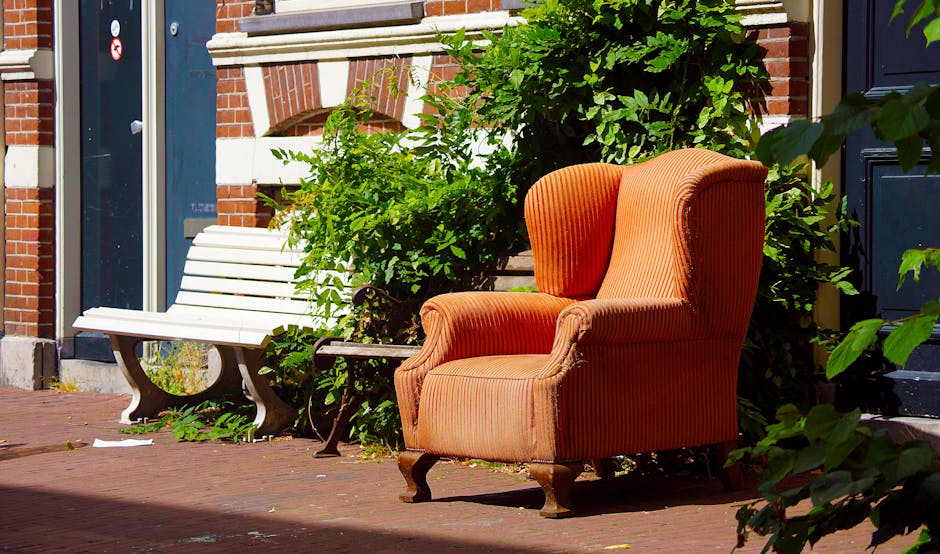
Imagine a typical Kingston flat move: one double bed, a small dining table, two mismatched bookcases, a worn armchair, and a large wardrobe that has seen better days. The couple moving out want a lighter load, but they also dislike waste. The wardrobe is too damaged to donate, the armchair is structurally sound but dated, and the bookcases are clean but a little scuffed.
What happens next is where the green approach pays off. The armchair is cleaned and set aside for donation. The bookcases are dismantled carefully and checked for recyclable components. The wardrobe is marked for responsible disposal because the frame has begun to split. The bed is kept and moved because it still serves its purpose. A few hours of sorting saves a lot of confusion later.
That kind of job often runs more smoothly when the removals team knows in advance what is being moved, what is being left, and what is being separated for donation or recycling. It can also help when the access is awkward, which is common around older Kingston properties and compact flats. If you want more ideas on tight-access jobs, the guide on tight stair removal jobs in Kingston is a useful companion read.
And yes, the donor-friendly chair looked surprisingly decent once it was cleaned. Funny how that happens.
Practical Checklist
Use this checklist a day or two before the move so you are not making furniture decisions with a loader waiting at the door.
- Walk through each room and list all large furniture.
- Separate items into keep, donate, recycle, and dispose.
- Check whether donation pieces are clean, sturdy, and usable.
- Measure large items and doorways if access looks tight.
- Dismantle only where it makes moving safer or easier.
- Label each item clearly before moving day.
- Keep screws, fittings, and small parts in one bag per item.
- Confirm which items need special handling or extra lifting help.
- Review your removals plan and vehicle size.
- Keep a note of anything that must not be mixed with general waste.
If your move is happening soon and the list already feels a bit much, that is normal. Take it section by section. One shelf at a time, one chair at a time. It adds up faster than you think.
Conclusion
Green Kingston removals donating recycling tips for furniture is really about making smarter decisions before the boxes are sealed and the van is loaded. Once you separate reusable items from true waste, the move becomes lighter, cleaner, and more manageable. You also give good furniture a second life instead of sending it straight to the bin, which feels better because it is better.
The most effective approach is simple: sort early, label clearly, handle donations carefully, recycle where appropriate, and keep bulky items in mind when planning access and vehicle space. That mix of common sense and a little organisation can save time, effort, and a fair bit of stress.
If you want help turning a complicated furniture clear-out into a smoother move, the best next step is to speak with a local team that understands Kingston's homes, flats, access issues, and practical removal needs.
Get a free quote today and see how much you can save.